

Mastering contrabassoon fingerings requires understanding the instrument's unique characteristics and complex key system. The contrabassoon's massive conical bore, double reed, and extensive range create distinctive challenges that set it apart from other woodwind instruments. This comprehensive guide covers everything from basic fingerings to advanced techniques, reed considerations, and professional performance strategies.
For interactive practice with detailed fingerings, use our Interactive Contrabassoon Fingering Chart alongside this guide.
Essential Foundations for Contrabassoon Playing
Before you can play beautiful melodies, you need to master the fundamental aspects of contrabassoon playing: proper embouchure, breath control, fingering techniques, and basic articulation.
1. Developing the Correct Embouchure
The embouchure is how you position your lips around the double reed. Think of it as forming a seal around the reed - your lips should create a firm but flexible seal that allows the reed to vibrate freely while maintaining control over the sound.
Key Points:
- Keep your lips relaxed but firm around the reed
- Create a seal that allows reed vibration without air leaks
- Practice in front of a mirror for 5 minutes daily
- The goal is to create a controlled, resonant sound
Common Mistakes to Avoid:
- Don't bite down on the reed too hard
- Avoid letting your lips become too loose
- Don't let air escape around the reed
- Avoid covering too much of the reed with your lips
2. Mastering Breath Control
Proper breathing is crucial for contrabassoon playing. You need to use diaphragmatic breathing (belly breathing) rather than shallow chest breathing, as the contrabassoon requires significant air support.
Breathing Technique:
- Inhale deeply, allowing your abdomen to expand
- Keep your shoulders relaxed and still
- Practice lying down with your hand on your stomach to feel the correct movement
- Exhale with steady, controlled air flow
Practice Exercise:
Try blowing air through the reed without making a sound first. Aim for a steady, consistent air stream that demonstrates good breath support.
3. Understanding Basic Contrabassoon Fingering
The contrabassoon has a complex key system that allows you to play the full chromatic scale. For a comprehensive guide to all finger positions, check out our Contrabassoon Fingering Chart. Here's the basic fingering pattern:
Basic Fingering:
- All keys closed: Low B♭ and A♭
- Left hand keys: Control upper register notes
- Right hand keys: Control lower register notes
Recommended Starting Notes:
Begin with low B♭ (all fingers down) and work your way up to F. Practice each note for 4 beats, focusing on steady tone and proper embouchure.
4. Basic Articulation Techniques
Learn these fundamental articulation methods:
- Long tones: Sustained notes for breath control
- Legato: Smooth, connected notes
- Staccato: Short, detached notes
- Tonguing: Using the tongue to articulate notes (say "tu" while playing)
Understanding the Contrabassoon
The contrabassoon is a double-reed woodwind instrument that sounds one octave lower than the bassoon. Its massive size and complex key system make it unique among woodwind instruments, requiring specialized techniques and equipment.
Contrabassoon Anatomy
- Double Reed: Two pieces of cane that vibrate against each other
- Bocal: Metal tube connecting the reed to the instrument
- Wing Joint: Upper section with tone holes
- Bass Joint: Middle section with most keys
- Boot Joint: U-shaped section connecting upper and lower parts
- Long Joint: Lower section extending the instrument's length
- Bell: Flared opening at the bottom
- Keys: Metal covers that open and close tone holes
- Tone holes: Openings in the contrabassoon body
How Keys Change Contrabassoon Pitch
The contrabassoon has a complex key system that changes the tube length to alter pitch. When you press a key, it closes a tone hole, making the instrument effectively longer and lowering the pitch.
Key Functions:
- Left hand keys: Control upper register notes
- Right hand keys: Control lower register notes
- Thumb keys: Provide whisper key and additional notes
- Pinky keys: Provide additional low notes
Daily Practice Routine for Beginners
Structure your practice sessions for maximum effectiveness:
5-Minute Warm-up
- Breathing exercises: 2 minutes
- Embouchure practice: 3 minutes
10-Minute Technique Practice
- Long tones: Practice sustained notes from low B♭ to F
- Simple scales: Try B♭-C-D-E♭-F-E♭-D-C-B♭ pattern
- Breathing exercises: Focus on steady air flow
10-Minute Song Practice
- Start with simple melodies
- Focus on correct fingering and steady tone
- Don't worry about speed - accuracy comes first
Important: Practice no more than 40 minutes daily to avoid fatigue.
Troubleshooting Common Beginner Problems
Problem: Weak or Airy Sound
Solution: Check that your embouchure is firm around the reed and your air stream is steady and controlled.
Problem: Can't Reach High Notes
Solution: Focus your embouchure more and increase abdominal support. Use the whisper key properly.
Problem: Inconsistent Tone
Solution: Focus on steady breath support and consistent embouchure formation.
Essential Equipment for Beginners
- Contrabassoon: Rent or purchase a student model contrabassoon
- Cleaning supplies: Cleaning rod, swab, and polishing cloth
- Metronome: For timing practice
- Music stand: For proper posture while reading music
- Method book: Choose a beginner contrabassoon method book
Setting Realistic Expectations
- Week 1-2: Focus on producing a clear, steady tone on a few notes
- Week 3-4: Begin playing simple scales and short melodies
- Month 2-3: Start working on more complex pieces and faster passages
Remember, progress varies for each individual. Consistent daily practice is more important than the amount of time spent in each session.
Quick Improvement Tips
1. Embouchure Flexibility Exercises
Practice forming your embouchure around the reed without playing daily. This builds the muscle control needed for contrabassoon playing.
2. Long Tone Training
Spend 10 minutes daily on sustained notes from low to high register. This improves breath control and intonation.
3. Tonguing Practice
Use the "tu" syllable to practice clean articulation. This makes your notes crisp and clear.
4. High Note Technique
For higher notes, focus your embouchure more while increasing abdominal support. Use the whisper key properly.
How to Hold a Contrabassoon Correctly
Mastering proper contrabassoon holding technique is essential for developing good tone, preventing fatigue, and achieving technical proficiency. The contrabassoon's massive size and weight present unique challenges that require specialized approaches to posture and support. Correct contrabassoon holding technique directly impacts your playing ability, comfort, and long-term musical development.
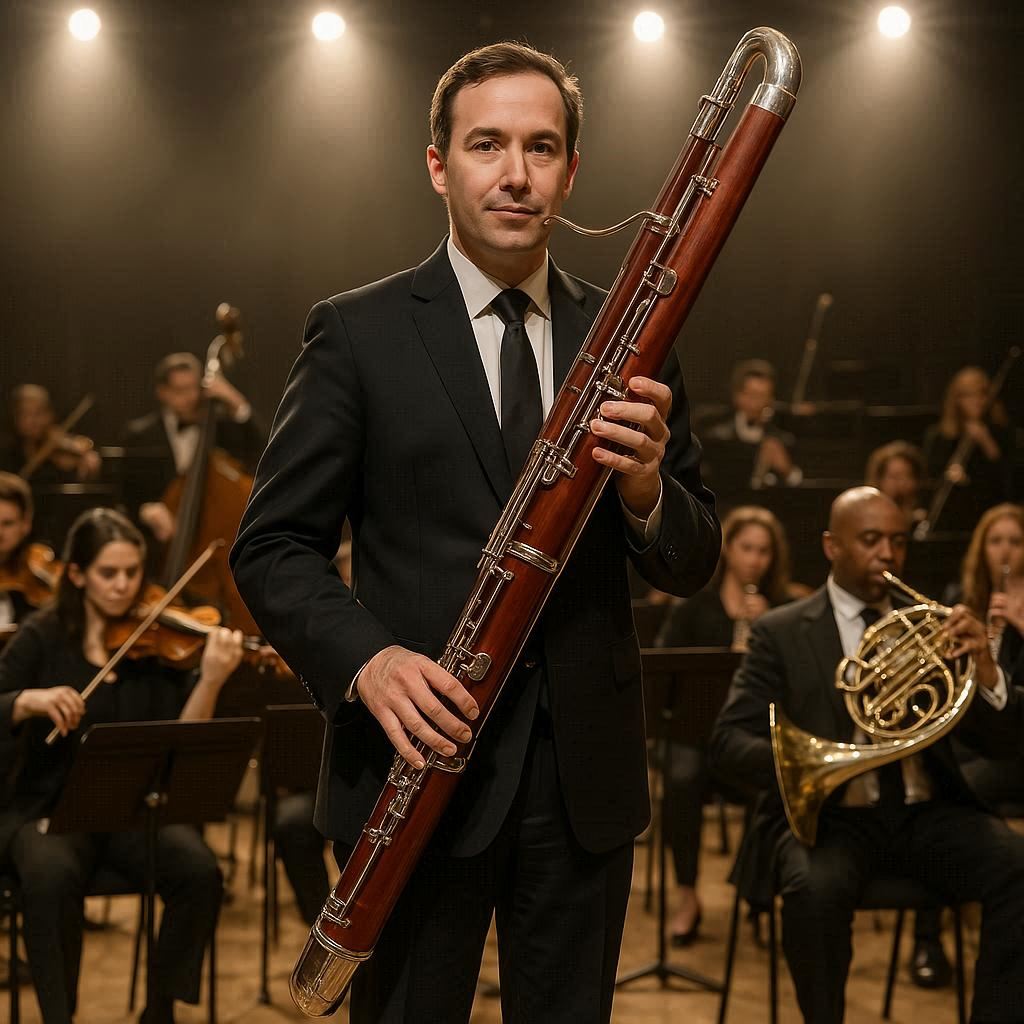
Why Proper Contrabassoon Holding Matters
Correct contrabassoon holding technique provides numerous benefits that directly impact your playing ability.
Benefits of Proper Technique
- Improved Tone Quality: Correct positioning allows for better breath support and embouchure control
- Reduced Fatigue: Proper weight distribution prevents muscle strain during long practice sessions
- Enhanced Technical Ability: Optimal hand position enables faster, more accurate fingering
- Better Intonation: Consistent positioning helps maintain stable pitch across all registers
- Injury Prevention: Proper posture reduces risk of repetitive strain injuries
Contrabassoon-Specific Challenges
The contrabassoon presents unique holding challenges due to its size, weight, and complex key system. Understanding these challenges is crucial for developing effective solutions.
Size and Weight Considerations
- Instrument Length: Over 4 feet tall, requiring specialized support systems
- Weight Distribution: Heavy instrument that must be properly balanced
- Key Accessibility: Complex key system requires optimal hand positioning
- Bocal Angle: Long bocal requires careful positioning for comfortable embouchure
- Seat Strap Necessity: Essential support system for instrument stability
Basic Contrabassoon Holding Position
Establishing the correct basic position is the foundation for all contrabassoon playing. This position should feel natural and sustainable for extended practice sessions.
Seated Position Setup
- Chair Selection: Use a sturdy chair with good back support
- Seat Height: Adjust so feet rest flat on floor with knees at 90-degree angle
- Back Support: Sit up straight with shoulders relaxed and level
- Instrument Angle: Position contrabassoon diagonally across your body
- Seat Strap Attachment: Secure seat strap to chair leg for proper support
Body Alignment
- Spine: Keep spine straight and aligned
- Shoulders: Relaxed and level, not hunched or raised
- Head Position: Natural, looking forward or slightly down
- Feet: Flat on floor, shoulder-width apart
- Core Engagement: Light engagement for stability without tension
Hand Positions and Finger Placement
Proper hand positioning is crucial for accessing the contrabassoon's complex key system efficiently and comfortably.
Left Hand Position
- Thumb Position: Place thumb on thumb rest, operating thumb keys
- Finger Curvature: Keep fingers naturally curved over keys
- Key Contact: Use fingertips, not finger pads
- Wrist Alignment: Keep wrist relatively straight and relaxed
- Support Function: Left hand provides primary instrument support
Right Hand Position
- Thumb Position: Place thumb under thumb rest for support
- Finger Placement: Curved fingers over keys with proper spacing
- Pinky Keys: Use pinky for additional low notes and trill keys
- Wrist Position: Slightly elevated for optimal key access
- Balance Role: Right hand assists in instrument balance
Seat Strap and Support Systems
The seat strap is essential for contrabassoon playing, providing crucial support for the instrument's weight and enabling proper hand positioning.
Seat Strap Setup
- Attachment Point: Secure to chair leg or specialized hook
- Length Adjustment: Adjust so instrument sits at comfortable height
- Weight Distribution: Strap should bear most of instrument's weight
- Stability Check: Ensure instrument doesn't wobble or shift
- Comfort Test: Verify position allows free hand movement
Alternative Support Options
- Floor Peg: Some players use floor-mounted support
- Custom Stands: Specialized contrabassoon stands
- Modified Chairs: Chairs with built-in support systems
- Professional Setups: Concert hall support systems
Common Holding Mistakes and Solutions
Understanding common holding mistakes helps prevent bad habits and ensures proper technique development.
Posture Mistakes
- Slouching: Solution: Use chair with proper back support
- Hunched Shoulders: Solution: Practice shoulder relaxation exercises
- Leaning Forward: Solution: Maintain upright spine alignment
- Crossed Legs: Solution: Keep feet flat on floor
- Head Dropping: Solution: Maintain natural head position
Hand Position Errors
- Flat Fingers: Solution: Practice curved finger exercises
- Thumb Tension: Solution: Focus on thumb relaxation
- Wrist Bending: Solution: Maintain straight wrist alignment
- Finger Spacing: Solution: Practice proper finger placement
- Key Pressure: Solution: Use light, even pressure
Advanced Holding Techniques
Advanced contrabassoon players develop refined techniques for optimal performance in professional settings.
Concert Performance Positioning
- Stage Setup: Optimal positioning for sound projection
- Conductor Visibility: Maintain eye contact with conductor
- Music Stand Height: Adjust for comfortable reading
- Instrument Stability: Ensure secure setup for long performances
- Quick Access: Position for easy page turns and adjustments
Orchestral Integration
- Section Positioning: Optimal placement within bassoon section
- Sound Blending: Position for best acoustic integration
- Visual Coordination: Maintain section unity
- Space Management: Efficient use of limited stage space
- Professional Standards: Meeting industry expectations
Equipment Considerations
Proper equipment selection and maintenance are essential for optimal contrabassoon holding and playing.
Essential Accessories
- Quality Seat Strap: Durable, adjustable support system
- Proper Chair: Sturdy chair with good back support
- Music Stand: Adjustable height for comfortable reading
- Instrument Stand: Safe storage and transport
- Cleaning Supplies: Proper maintenance tools
Practice Tips for Developing Proper Holding Technique
Consistent practice with proper technique is essential for developing and maintaining good contrabassoon holding habits.
Daily Practice Routine for Holding
- Setup Check: Verify proper chair and strap positioning
- Posture Review: Check body alignment and relaxation
- Hand Position: Verify correct finger and thumb placement
- Balance Test: Ensure instrument stability
- Comfort Assessment: Check for tension or discomfort
Technique Development
- Mirror Practice: Use mirror to check posture and positioning
- Video Recording: Record practice sessions for review
- Teacher Feedback: Regular lessons for technique correction
- Peer Observation: Learn from other contrabassoon players
- Professional Consultation: Seek expert advice when needed
The Science Behind Contrabassoon Fingerings
Contrabassoon fingerings work through a combination of tone hole coverage and key combinations that change the instrument's effective length. The massive conical bore and double reed create unique acoustic properties that require specialized fingering techniques.
Contrabassoon-Specific Characteristics
- Double Reed: Creates unique embouchure and air pressure requirements
- Massive Conical Bore: Different acoustic properties than smaller instruments
- Extensive Range: Over three octaves from A♭0 to C4
- Complex Key System: Over 30 keys and multiple thumb keys
- Register Breaks: Distinctive transitions between registers
- Reed Sensitivity: Fingerings affected by reed strength and response
Understanding Contrabassoon Registers
The contrabassoon has three distinct registers, each requiring different fingering approaches and embouchure adjustments.
Low Register (A♭0 to A♭2)
The contrabass register is the contrabassoon's foundation. These notes require full finger coverage and exceptional breath support.
Middle Register (A2 to A♭3)
The tenor register uses the whisper key and requires precise embouchure control for clear tone production.
High Register (A3 to C4)
The alto register requires advanced fingerings and exceptional breath control for reliable intonation.
Complete Fingering Chart by Register
For an interactive experience with our detailed fingering charts, visit our Interactive Contrabassoon Fingering Chart page.
Low Register (A♭0 to A♭2)
The low register forms the contrabassoon's foundation and requires full finger coverage with exceptional breath support.
| Note | Fingering | Key Combination | Technique |
|---|---|---|---|
| A♭0 | All keys closed | Full coverage | Exceptional breath support |
| A0 | All except A♭ | A♭ key open | Good for beginners |
| B♭0 | All except A♭, A | A♭, A keys open | Stable fingering |
| B0 | All except A♭, A, B♭ | A♭, A, B♭ keys open | Good for beginners |
| C1 | All except A♭, A, B♭, B | A♭, A, B♭, B keys open | Stable fingering |
| C#1 | All except A♭, A, B♭, B, C | A♭, A, B♭, B, C keys open | Half-hole technique |
| D1 | All except A♭, A, B♭, B, C, C# | A♭, A, B♭, B, C, C# keys open | Good for beginners |
| E♭1 | All except A♭, A, B♭, B, C, C#, D | A♭, A, B♭, B, C, C#, D keys open | Stable fingering |
| E1 | All except A♭, A, B♭, B, C, C#, D, E♭ | A♭, A, B♭, B, C, C#, D, E♭ keys open | Good for beginners |
| F1 | All except A♭, A, B♭, B, C, C#, D, E♭, E | A♭, A, B♭, B, C, C#, D, E♭, E keys open | Stable fingering |
| F#1 | All except A♭, A, B♭, B, C, C#, D, E♭, E, F | A♭, A, B♭, B, C, C#, D, E♭, E, F keys open | Good for beginners |
| G1 | All except A♭, A, B♭, B, C, C#, D, E♭, E, F, F# | A♭, A, B♭, B, C, C#, D, E♭, E, F, F# keys open | Stable fingering |
| G#1 | All except A♭, A, B♭, B, C, C#, D, E♭, E, F, F#, G | A♭, A, B♭, B, C, C#, D, E♭, E, F, F#, G keys open | Good for beginners |
| A1 | All except A♭, A, B♭, B, C, C#, D, E♭, E, F, F#, G, G# | A♭, A, B♭, B, C, C#, D, E♭, E, F, F#, G, G# keys open | Stable fingering |
| A♭1 | All except A♭, A, B♭, B, C, C#, D, E♭, E, F, F#, G, G#, A | A♭, A, B♭, B, C, C#, D, E♭, E, F, F#, G, G#, A keys open | Good for beginners |
| A2 | All except A♭, A, B♭, B, C, C#, D, E♭, E, F, F#, G, G#, A, A♭ | A♭, A, B♭, B, C, C#, D, E♭, E, F, F#, G, G#, A, A♭ keys open | Stable fingering |
| B♭2 | All except A♭, A, B♭, B, C, C#, D, E♭, E, F, F#, G, G#, A, A♭, A | A♭, A, B♭, B, C, C#, D, E♭, E, F, F#, G, G#, A, A♭, A keys open | Good for beginners |
| B2 | All except A♭, A, B♭, B, C, C#, D, E♭, E, F, F#, G, G#, A, A♭, A, B♭ | A♭, A, B♭, B, C, C#, D, E♭, E, F, F#, G, G#, A, A♭, A, B♭ keys open | Stable fingering |
| C2 | All except A♭, A, B♭, B, C, C#, D, E♭, E, F, F#, G, G#, A, A♭, A, B♭, B | A♭, A, B♭, B, C, C#, D, E♭, E, F, F#, G, G#, A, A♭, A, B♭, B keys open | Good for beginners |
| C#2 | All except A♭, A, B♭, B, C, C#, D, E♭, E, F, F#, G, G#, A, A♭, A, B♭, B, C | A♭, A, B♭, B, C, C#, D, E♭, E, F, F#, G, G#, A, A♭, A, B♭, B, C keys open | Half-hole technique |
| D2 | All except A♭, A, B♭, B, C, C#, D, E♭, E, F, F#, G, G#, A, A♭, A, B♭, B, C, C# | A♭, A, B♭, B, C, C#, D, E♭, E, F, F#, G, G#, A, A♭, A, B♭, B, C, C# keys open | Good for beginners |
| E♭2 | All except A♭, A, B♭, B, C, C#, D, E♭, E, F, F#, G, G#, A, A♭, A, B♭, B, C, C#, D | A♭, A, B♭, B, C, C#, D, E♭, E, F, F#, G, G#, A, A♭, A, B♭, B, C, C#, D keys open | Stable fingering |
| E2 | All except A♭, A, B♭, B, C, C#, D, E♭, E, F, F#, G, G#, A, A♭, A, B♭, B, C, C#, D, E♭ | A♭, A, B♭, B, C, C#, D, E♭, E, F, F#, G, G#, A, A♭, A, B♭, B, C, C#, D, E♭ keys open | Good for beginners |
| F2 | All except A♭, A, B♭, B, C, C#, D, E♭, E, F, F#, G, G#, A, A♭, A, B♭, B, C, C#, D, E♭, E | A♭, A, B♭, B, C, C#, D, E♭, E, F, F#, G, G#, A, A♭, A, B♭, B, C, C#, D, E♭, E keys open | Stable fingering |
| F#2 | All except A♭, A, B♭, B, C, C#, D, E♭, E, F, F#, G, G#, A, A♭, A, B♭, B, C, C#, D, E♭, E, F | A♭, A, B♭, B, C, C#, D, E♭, E, F, F#, G, G#, A, A♭, A, B♭, B, C, C#, D, E♭, E, F keys open | Good for beginners |
| G2 | All except A♭, A, B♭, B, C, C#, D, E♭, E, F, F#, G, G#, A, A♭, A, B♭, B, C, C#, D, E♭, E, F, F# | A♭, A, B♭, B, C, C#, D, E♭, E, F, F#, G, G#, A, A♭, A, B♭, B, C, C#, D, E♭, E, F, F# keys open | Stable fingering |
| G#2 | All except A♭, A, B♭, B, C, C#, D, E♭, E, F, F#, G, G#, A, A♭, A, B♭, B, C, C#, D, E♭, E, F, F#, G | A♭, A, B♭, B, C, C#, D, E♭, E, F, F#, G, G#, A, A♭, A, B♭, B, C, C#, D, E♭, E, F, F#, G keys open | Good for beginners |
| A2 | All except A♭, A, B♭, B, C, C#, D, E♭, E, F, F#, G, G#, A, A♭, A, B♭, B, C, C#, D, E♭, E, F, F#, G, G# | A♭, A, B♭, B, C, C#, D, E♭, E, F, F#, G, G#, A, A♭, A, B♭, B, C, C#, D, E♭, E, F, F#, G, G# keys open | Stable fingering |
| A♭2 | All except A♭, A, B♭, B, C, C#, D, E♭, E, F, F#, G, G#, A, A♭, A, B♭, B, C, C#, D, E♭, E, F, F#, G, G#, A | A♭, A, B♭, B, C, C#, D, E♭, E, F, F#, G, G#, A, A♭, A, B♭, B, C, C#, D, E♭, E, F, F#, G, G#, A keys open | Good for beginners |
Middle Register (A2 to A♭3)
The middle register requires the whisper key and precise embouchure control for clear tone production.
| Note | Fingering | Key Combination | Technique |
|---|---|---|---|
| A2 | Whisper key + all except A♭, A, B♭, B, C, C#, D, E♭, E, F, F#, G, G#, A, A♭, A, B♭, B, C, C#, D, E♭, E, F, F#, G, G#, A, A♭ | Whisper key + A♭, A, B♭, B, C, C#, D, E♭, E, F, F#, G, G#, A, A♭, A, B♭, B, C, C#, D, E♭, E, F, F#, G, G#, A, A♭ keys open | Whisper key technique |
| B♭2 | Whisper key + all except A♭, A, B♭, B, C, C#, D, E♭, E, F, F#, G, G#, A, A♭, A, B♭, B, C, C#, D, E♭, E, F, F#, G, G#, A, A♭, A | Whisper key + A♭, A, B♭, B, C, C#, D, E♭, E, F, F#, G, G#, A, A♭, A, B♭, B, C, C#, D, E♭, E, F, F#, G, G#, A, A♭, A keys open | Good for beginners |
| B2 | Whisper key + all except A♭, A, B♭, B, C, C#, D, E♭, E, F, F#, G, G#, A, A♭, A, B♭, B, C, C#, D, E♭, E, F, F#, G, G#, A, A♭, A, B♭ | Whisper key + A♭, A, B♭, B, C, C#, D, E♭, E, F, F#, G, G#, A, A♭, A, B♭, B, C, C#, D, E♭, E, F, F#, G, G#, A, A♭, A, B♭ keys open | Good for beginners |
| C3 | Whisper key + all except A♭, A, B♭, B, C, C#, D, E♭, E, F, F#, G, G#, A, A♭, A, B♭, B, C, C#, D, E♭, E, F, F#, G, G#, A, A♭, A, B♭, B | Whisper key + A♭, A, B♭, B, C, C#, D, E♭, E, F, F#, G, G#, A, A♭, A, B♭, B, C, C#, D, E♭, E, F, F#, G, G#, A, A♭, A, B♭, B keys open | Good for beginners |
| C#3 | Whisper key + all except A♭, A, B♭, B, C, C#, D, E♭, E, F, F#, G, G#, A, A♭, A, B♭, B, C, C#, D, E♭, E, F, F#, G, G#, A, A♭, A, B♭, B, C | Whisper key + A♭, A, B♭, B, C, C#, D, E♭, E, F, F#, G, G#, A, A♭, A, B♭, B, C, C#, D, E♭, E, F, F#, G, G#, A, A♭, A, B♭, B, C keys open | Half-hole technique |
| D3 | Whisper key + all except A♭, A, B♭, B, C, C#, D, E♭, E, F, F#, G, G#, A, A♭, A, B♭, B, C, C#, D, E♭, E, F, F#, G, G#, A, A♭, A, B♭, B, C, C# | Whisper key + A♭, A, B♭, B, C, C#, D, E♭, E, F, F#, G, G#, A, A♭, A, B♭, B, C, C#, D, E♭, E, F, F#, G, G#, A, A♭, A, B♭, B, C, C# keys open | Good for beginners |
| E♭3 | Whisper key + all except A♭, A, B♭, B, C, C#, D, E♭, E, F, F#, G, G#, A, A♭, A, B♭, B, C, C#, D, E♭, E, F, F#, G, G#, A, A♭, A, B♭, B, C, C#, D | Whisper key + A♭, A, B♭, B, C, C#, D, E♭, E, F, F#, G, G#, A, A♭, A, B♭, B, C, C#, D, E♭, E, F, F#, G, G#, A, A♭, A, B♭, B, C, C#, D keys open | Stable fingering |
| E3 | Whisper key + all except A♭, A, B♭, B, C, C#, D, E♭, E, F, F#, G, G#, A, A♭, A, B♭, B, C, C#, D, E♭, E, F, F#, G, G#, A, A♭, A, B♭, B, C, C#, D, E♭ | Whisper key + A♭, A, B♭, B, C, C#, D, E♭, E, F, F#, G, G#, A, A♭, A, B♭, B, C, C#, D, E♭, E, F, F#, G, G#, A, A♭, A, B♭, B, C, C#, D, E♭ keys open | Good for beginners |
| F3 | Whisper key + all except A♭, A, B♭, B, C, C#, D, E♭, E, F, F#, G, G#, A, A♭, A, B♭, B, C, C#, D, E♭, E, F, F#, G, G#, A, A♭, A, B♭, B, C, C#, D, E♭, E | Whisper key + A♭, A, B♭, B, C, C#, D, E♭, E, F, F#, G, G#, A, A♭, A, B♭, B, C, C#, D, E♭, E, F, F#, G, G#, A, A♭, A, B♭, B, C, C#, D, E♭, E keys open | Stable fingering |
| F#3 | Whisper key + all except A♭, A, B♭, B, C, C#, D, E♭, E, F, F#, G, G#, A, A♭, A, B♭, B, C, C#, D, E♭, E, F, F#, G, G#, A, A♭, A, B♭, B, C, C#, D, E♭, E, F | Whisper key + A♭, A, B♭, B, C, C#, D, E♭, E, F, F#, G, G#, A, A♭, A, B♭, B, C, C#, D, E♭, E, F, F#, G, G#, A, A♭, A, B♭, B, C, C#, D, E♭, E, F keys open | Good for beginners |
| G3 | Whisper key + all except A♭, A, B♭, B, C, C#, D, E♭, E, F, F#, G, G#, A, A♭, A, B♭, B, C, C#, D, E♭, E, F, F#, G, G#, A, A♭, A, B♭, B, C, C#, D, E♭, E, F, F# | Whisper key + A♭, A, B♭, B, C, C#, D, E♭, E, F, F#, G, G#, A, A♭, A, B♭, B, C, C#, D, E♭, E, F, F#, G, G#, A, A♭, A, B♭, B, C, C#, D, E♭, E, F, F# keys open | Stable fingering |
| G#3 | Whisper key + all except A♭, A, B♭, B, C, C#, D, E♭, E, F, F#, G, G#, A, A♭, A, B♭, B, C, C#, D, E♭, E, F, F#, G, G#, A, A♭, A, B♭, B, C, C#, D, E♭, E, F, F#, G | Whisper key + A♭, A, B♭, B, C, C#, D, E♭, E, F, F#, G, G#, A, A♭, A, B♭, B, C, C#, D, E♭, E, F, F#, G, G#, A, A♭, A, B♭, B, C, C#, D, E♭, E, F, F#, G keys open | Good for beginners |
| A3 | Whisper key + all except A♭, A, B♭, B, C, C#, D, E♭, E, F, F#, G, G#, A, A♭, A, B♭, B, C, C#, D, E♭, E, F, F#, G, G#, A, A♭, A, B♭, B, C, C#, D, E♭, E, F, F#, G, G# | Whisper key + A♭, A, B♭, B, C, C#, D, E♭, E, F, F#, G, G#, A, A♭, A, B♭, B, C, C#, D, E♭, E, F, F#, G, G#, A, A♭, A, B♭, B, C, C#, D, E♭, E, F, F#, G, G# keys open | Stable fingering |
| A♭3 | Whisper key + all except A♭, A, B♭, B, C, C#, D, E♭, E, F, F#, G, G#, A, A♭, A, B♭, B, C, C#, D, E♭, E, F, F#, G, G#, A, A♭, A, B♭, B, C, C#, D, E♭, E, F, F#, G, G#, A | Whisper key + A♭, A, B♭, B, C, C#, D, E♭, E, F, F#, G, G#, A, A♭, A, B♭, B, C, C#, D, E♭, E, F, F#, G, G#, A, A♭, A, B♭, B, C, C#, D, E♭, E, F, F#, G, G#, A keys open | Good for beginners |
High Register (A3 to C4)
The high register requires advanced fingerings and exceptional breath control for reliable intonation.
| Note | Fingering | Key Combination | Technique |
|---|---|---|---|
| A3 | Whisper key + all except A♭, A, B♭, B, C, C#, D, E♭, E, F, F#, G, G#, A, A♭, A, B♭, B, C, C#, D, E♭, E, F, F#, G, G#, A, A♭, A, B♭, B, C, C#, D, E♭, E, F, F#, G, G#, A, A♭ | Whisper key + A♭, A, B♭, B, C, C#, D, E♭, E, F, F#, G, G#, A, A♭, A, B♭, B, C, C#, D, E♭, E, F, F#, G, G#, A, A♭, A, B♭, B, C, C#, D, E♭, E, F, F#, G, G#, A, A♭ keys open | Advanced technique |
| B♭3 | Whisper key + all except A♭, A, B♭, B, C, C#, D, E♭, E, F, F#, G, G#, A, A♭, A, B♭, B, C, C#, D, E♭, E, F, F#, G, G#, A, A♭, A, B♭, B, C, C#, D, E♭, E, F, F#, G, G#, A, A♭, A | Whisper key + A♭, A, B♭, B, C, C#, D, E♭, E, F, F#, G, G#, A, A♭, A, B♭, B, C, C#, D, E♭, E, F, F#, G, G#, A, A♭, A, B♭, B, C, C#, D, E♭, E, F, F#, G, G#, A, A♭, A keys open | Advanced technique |
| B3 | Whisper key + all except A♭, A, B♭, B, C, C#, D, E♭, E, F, F#, G, G#, A, A♭, A, B♭, B, C, C#, D, E♭, E, F, F#, G, G#, A, A♭, A, B♭, B, C, C#, D, E♭, E, F, F#, G, G#, A, A♭, A, B♭ | Whisper key + A♭, A, B♭, B, C, C#, D, E♭, E, F, F#, G, G#, A, A♭, A, B♭, B, C, C#, D, E♭, E, F, F#, G, G#, A, A♭, A, B♭, B, C, C#, D, E♭, E, F, F#, G, G#, A, A♭, A, B♭ keys open | Advanced technique |
| C4 | Whisper key + all except A♭, A, B♭, B, C, C#, D, E♭, E, F, F#, G, G#, A, A♭, A, B♭, B, C, C#, D, E♭, E, F, F#, G, G#, A, A♭, A, B♭, B, C, C#, D, E♭, E, F, F#, G, G#, A, A♭, A, B♭, B | Whisper key + A♭, A, B♭, B, C, C#, D, E♭, E, F, F#, G, G#, A, A♭, A, B♭, B, C, C#, D, E♭, E, F, F#, G, G#, A, A♭, A, B♭, B, C, C#, D, E♭, E, F, F#, G, G#, A, A♭, A, B♭, B keys open | Extreme technique |
Advanced Fingering Techniques
Alternate Fingerings
Many notes can be played with different fingerings, each offering unique advantages for specific musical contexts:
High C (C4) - Multiple Options
- Standard: Whisper key + all except A♭, A, B♭, B, C, C#, D, E♭, E, F, F#, G, G#, A, A♭, A, B♭, B, C, C#, D, E♭, E, F, F#, G, G#, A, A♭, A, B♭, B, C, C#, D, E♭, E, F, F#, G, G#, A, A♭, A, B♭, B
- Alternate: Whisper key + all except A♭, A, B♭, B, C, C#, D, E♭, E, F, F#, G, G#, A, A♭, A, B♭, B, C, C#, D, E♭, E, F, F#, G, G#, A, A♭, A, B♭, B, C, C#, D, E♭, E, F, F#, G, G#, A, A♭, A, B♭, B, C
- Trill: Whisper key + all except A♭, A, B♭, B, C, C#, D, E♭, E, F, F#, G, G#, A, A♭, A, B♭, B, C, C#, D, E♭, E, F, F#, G, G#, A, A♭, A, B♭, B, C, C#, D, E♭, E, F, F#, G, G#, A, A♭, A, B♭, B, C, C#
Trill Fingerings
Special fingerings for smooth trills between adjacent notes:
- C to C#: Use alternate C fingering for smoother trill
- F to F#: Use alternate F fingering for better intonation
- G to G#: Use alternate G fingering for faster execution
Register Key Techniques
The contrabassoon's register keys are essential for proper intonation and tone quality:
Whisper Key (Left Thumb)
- Function: Controls middle and high register notes
- Usage: Pressed for notes A2 and above
- Technique: Light pressure, avoid "parking" thumb
High D Key (Right Thumb)
- Function: Facilitates high register notes
- Usage: Used for D3 and above
- Technique: Coordinated with whisper key
Reed Considerations and Fingering
Contrabassoon fingerings are significantly affected by reed characteristics:
Reed Strength Impact
- Soft Reeds: Easier response, may require different fingerings for stability
- Medium Reeds: Balanced response, standard fingerings work well
- Hard Reeds: More resistance, may require alternate fingerings for ease
Reed Response and Fingerings
- Fast Response: Standard fingerings work well
- Slow Response: May need alternate fingerings for better intonation
- Inconsistent Response: Requires reed adjustment or fingering modification
Practice Strategies for Contrabassoon Fingerings
Systematic Learning Approach
- Start with Low Register: Master A♭0 to A♭2 fingerings first
- Add Middle Register: Learn A2 to A♭3 with whisper key
- Progress to High Register: Master A3 to C4 fingerings
- Practice Transitions: Work on smooth register changes
- Learn Alternates: Master alternate fingerings for flexibility
Memory Techniques
- Pattern Recognition: Notice that many fingerings follow logical patterns
- Visual Association: Create mental images of finger positions
- Muscle Memory: Practice until fingerings become automatic
- Progressive Learning: Master one register before moving to the next
Common Fingering Mistakes and Solutions
Mistake: Incomplete Key Coverage
Problem: Not covering all necessary keys completely
Solution: Ensure all keys are fully depressed, check for air leaks
Mistake: Incorrect Register Key Usage
Problem: Using wrong register key or not using it at all
Solution: Memorize which notes require which register keys
Mistake: Poor Finger Position
Problem: Fingers not positioned correctly over keys
Solution: Keep fingers curved and close to keys
Mistake: Inconsistent Embouchure
Problem: Changing embouchure with different fingerings
Solution: Maintain consistent embouchure across all registers
Technology and Modern Learning Tools
Modern technology offers excellent resources for learning contrabassoon fingerings:
Interactive Fingering Charts
- Online Charts: Interactive diagrams with audio examples
- Mobile Apps: Portable fingering references
- Video Tutorials: Visual demonstrations of fingerings
Practice Apps
- Metronome Apps: For timing practice
- Tuner Apps: For intonation work
- Recording Apps: For self-assessment
Conclusion
Mastering contrabassoon fingerings is a journey that requires patience, consistent practice, and a systematic approach. Whether you're a complete beginner learning your first notes or an advanced player seeking to perfect your technique, this comprehensive guide provides everything you need to develop the finger dexterity and muscle memory needed for contrabassoon playing.
By understanding the relationship between fingerings and reed characteristics, practicing with proper technique, and using modern learning tools, you can develop the skills needed for advanced contrabassoon playing. Remember that fingerings are just one aspect of contrabassoon playing. Combine your fingering practice with work on embouchure, breath control, reed care, and musical expression to become a well-rounded contrabassoonist.
Start with the fundamentals, build your skills progressively, and celebrate small victories along the way. With dedication and the right approach, you'll be playing beautiful music on the contrabassoon in no time. The contrabassoon's rich, expressive sound and unique character make it a valuable addition to any musical ensemble, and your dedication to learning will be rewarded with years of musical enjoyment.